


Brew Guide:
Best Brewed with: Filter/Turbo Espresso
Lightest Roaster Influence: We love - LOVE - taking a coffee with the potential to be purely funk forward and working our best to minimise that and find the complex aromatics, acidity and profile that would be covered up by that process/pulpy note. Gentler heat application, super low end temps and short development prevent the molasses/dark chocolate/cocoa pulp ferment note dominating, and we find the tropical fruits and sparkly notes hiding beneath
Best Rested: 4+ weeks
Filter: 64g/L, 92°C when fresh; 88°C when rested
Espresso: 18g/45g/24-28s
We're tasting: Heavy process forward aromatics - we're finding cola cubes, blackcurrant jam and molasses. In the cup it's sweet, sticky and a little bit boozy - reminding us of raspberry liqueur, alongside ginger cake & dried pineapple, with the sweet date & dried fig notes of freshly drying coffee pulp. As it cools becoming a little more warm spice & boozy - much like a dark 'n' stormy.
Traceability
Country of Origin: |
Costa Rica |
Region: |
San Jerónimo de San Pedro, Brunca |
Producer: |
Senel Campos Valverde |
Farm: |
El Cola Roja, Don Senel Micromill |
Variety: |
Milenio |
Elevation: |
1700 - 1800 MASL |
Process: |
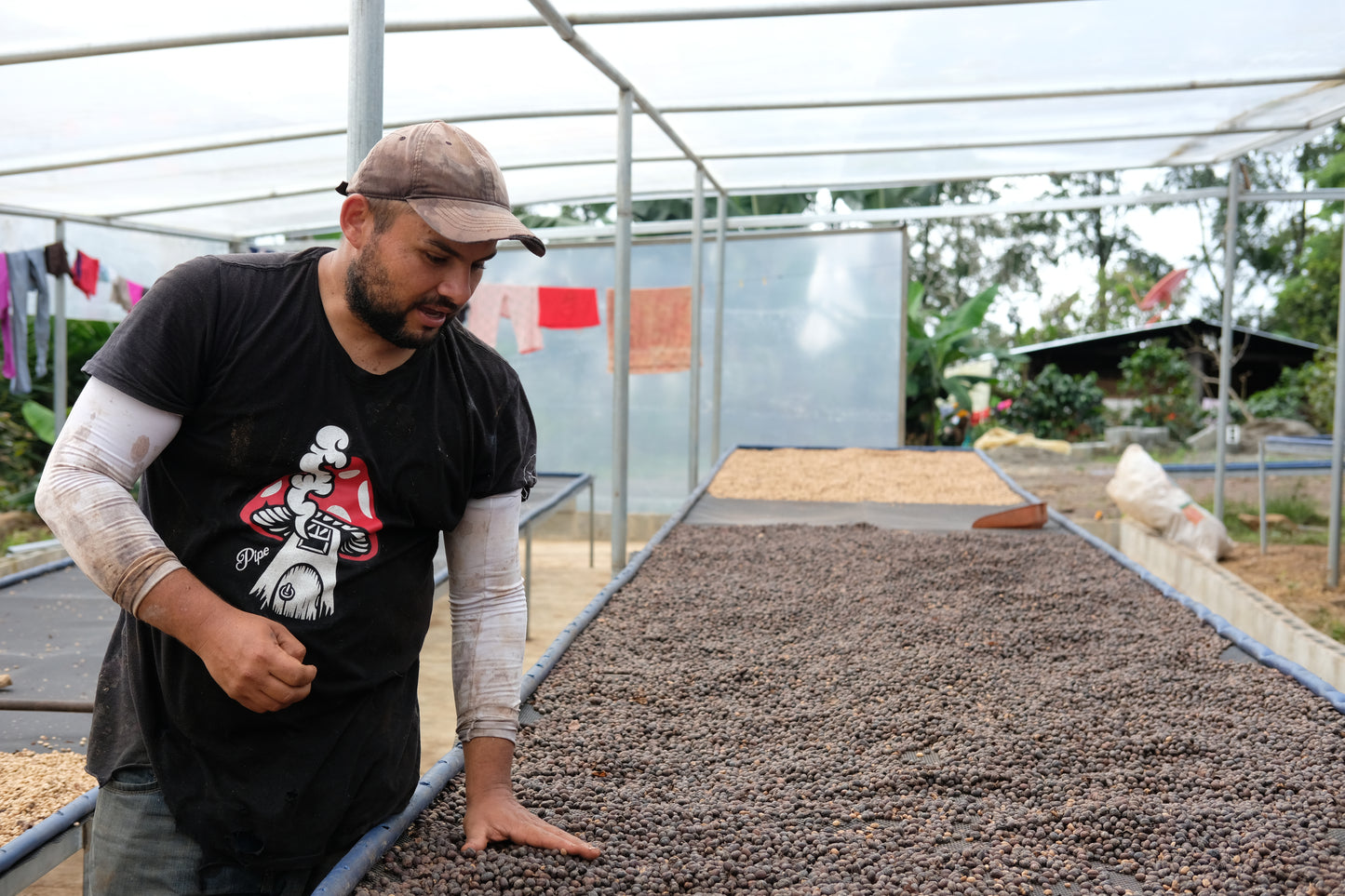
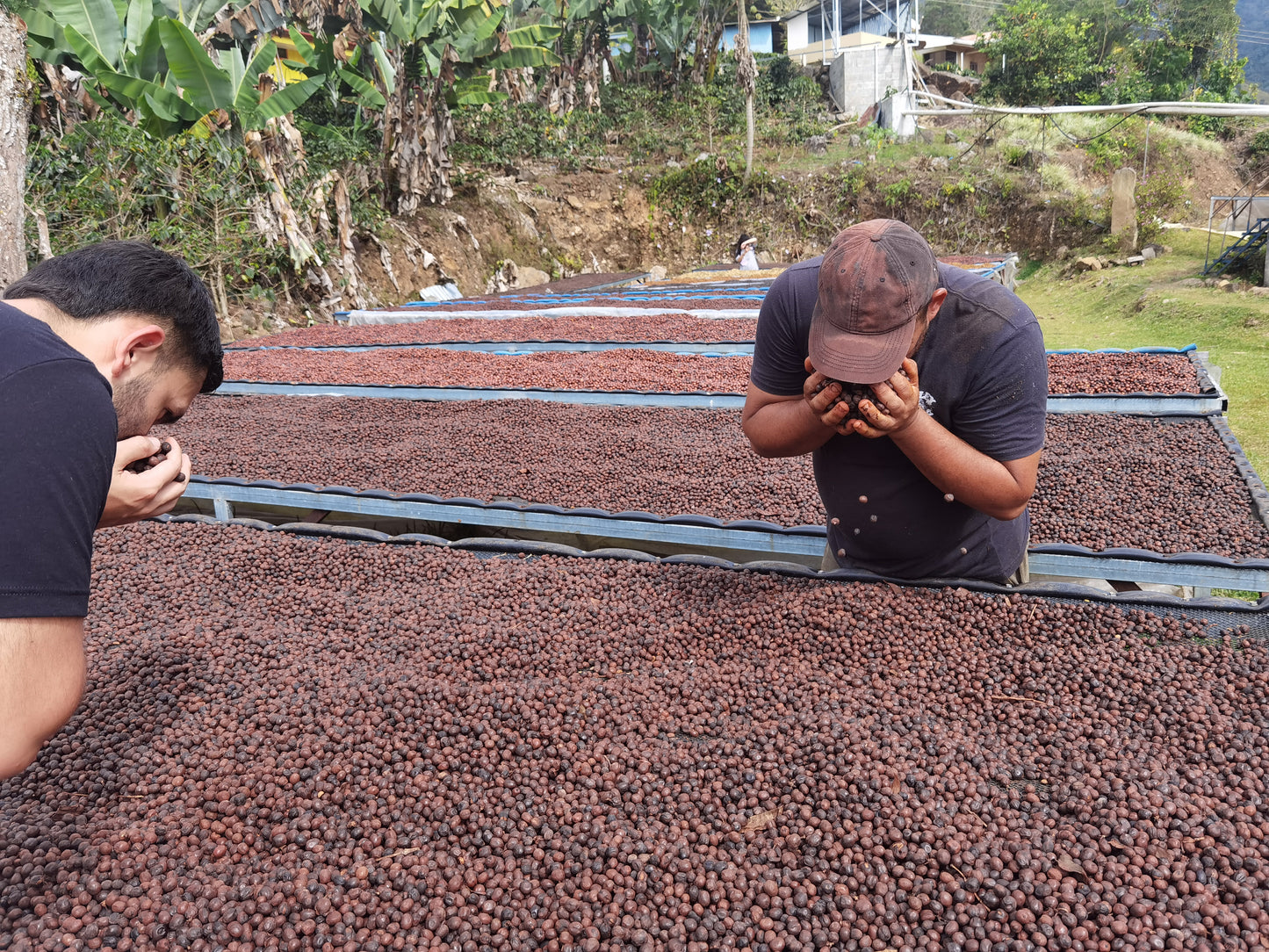
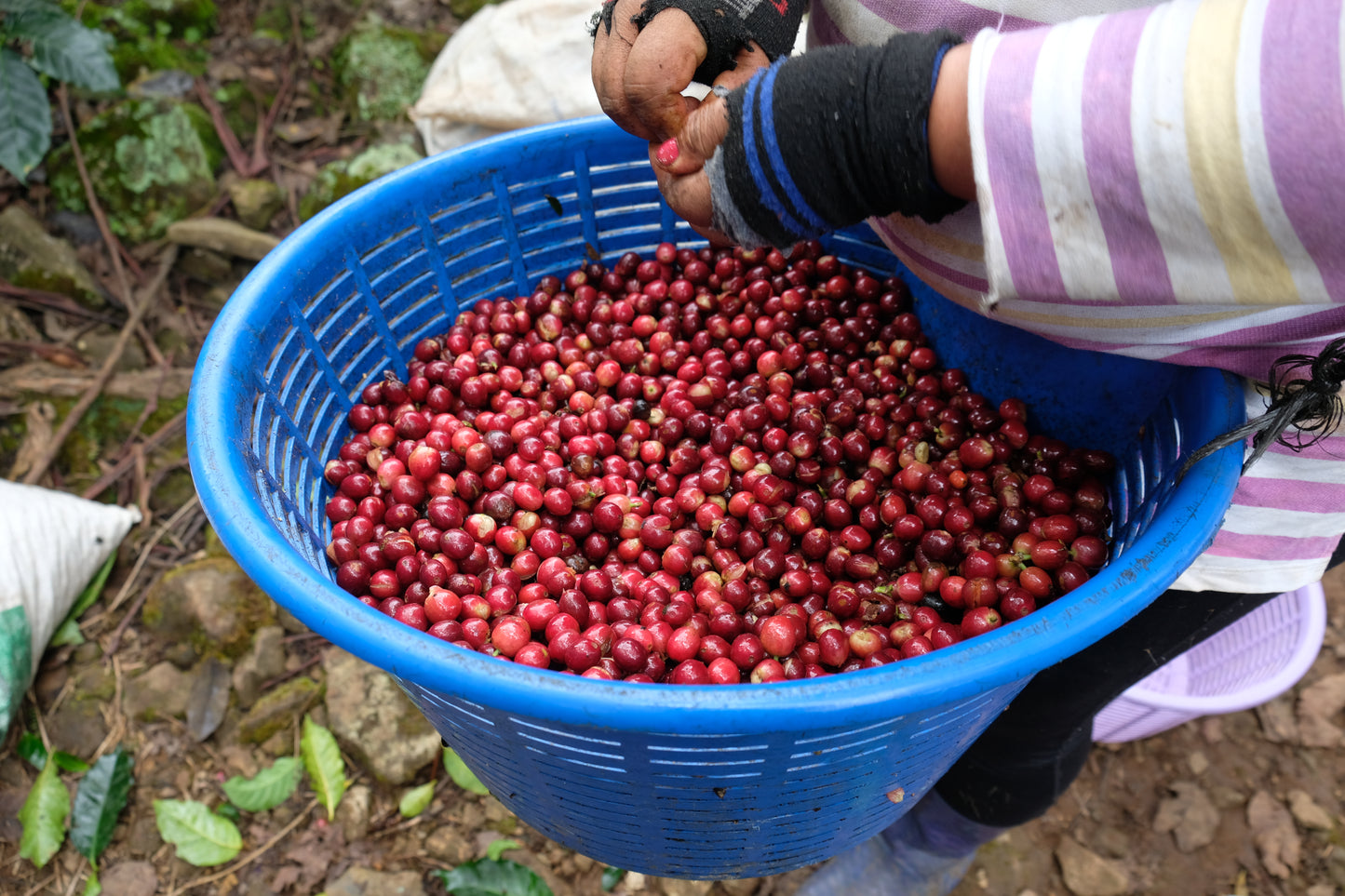
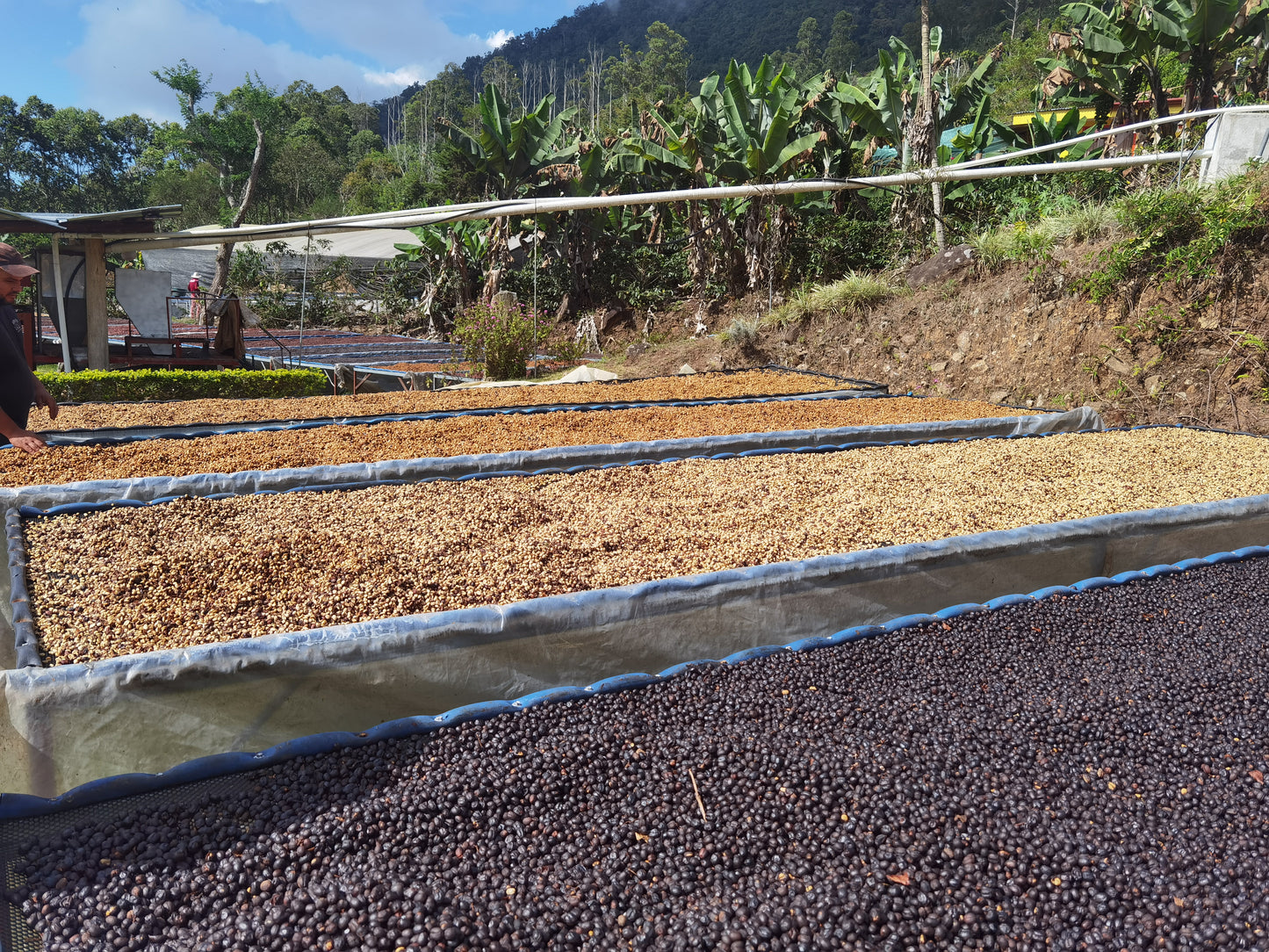
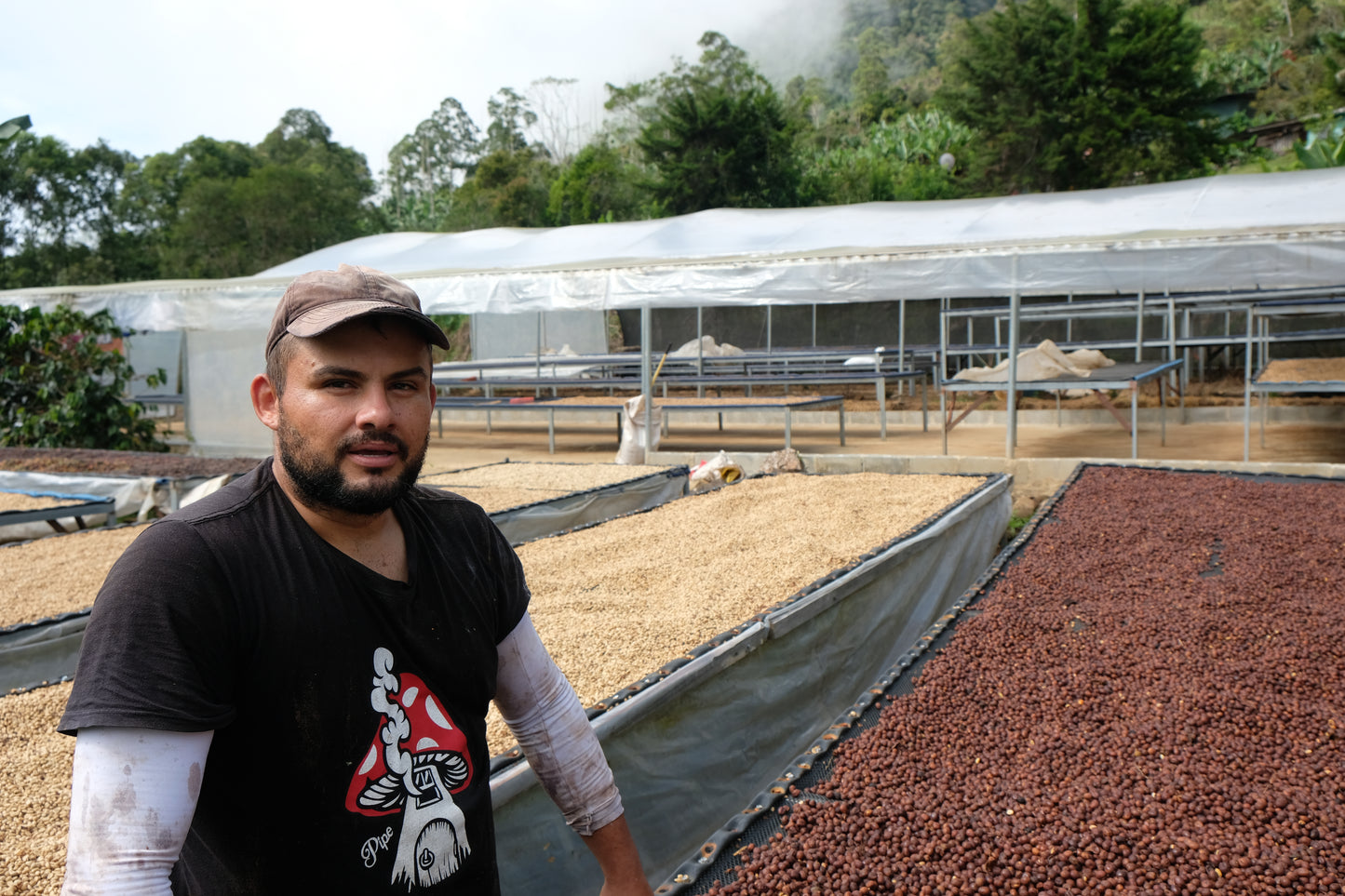
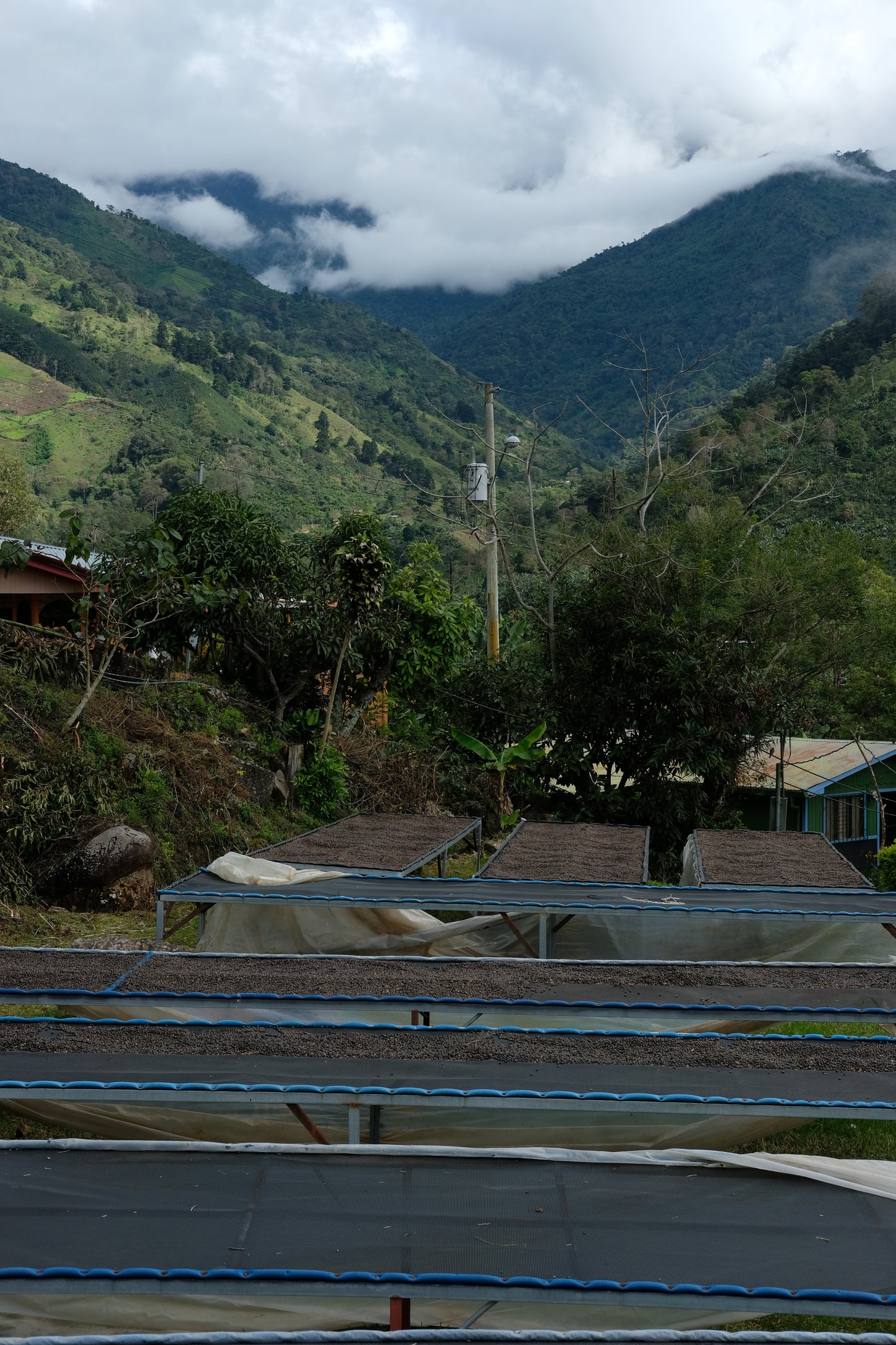
Slow Dried Natural: Very ripe cherries selectively picked at an exceptionally high brix content at Finca El Cola Roja and taken to the Don Senel Micromill for processing. Cherries floated to remove underripe and defective beans before placing on raised beds in a greenhouse with shade netting to ensure a slow drying process (controlled temperature, humidity and ventilation), with drying taking 38 days total. |
Import Partner: |
Ally Coffee |
Harvest: |
Crop 25/26 - Arrived UK August 7th 2026. Second season buying from Don Senel |
The Story
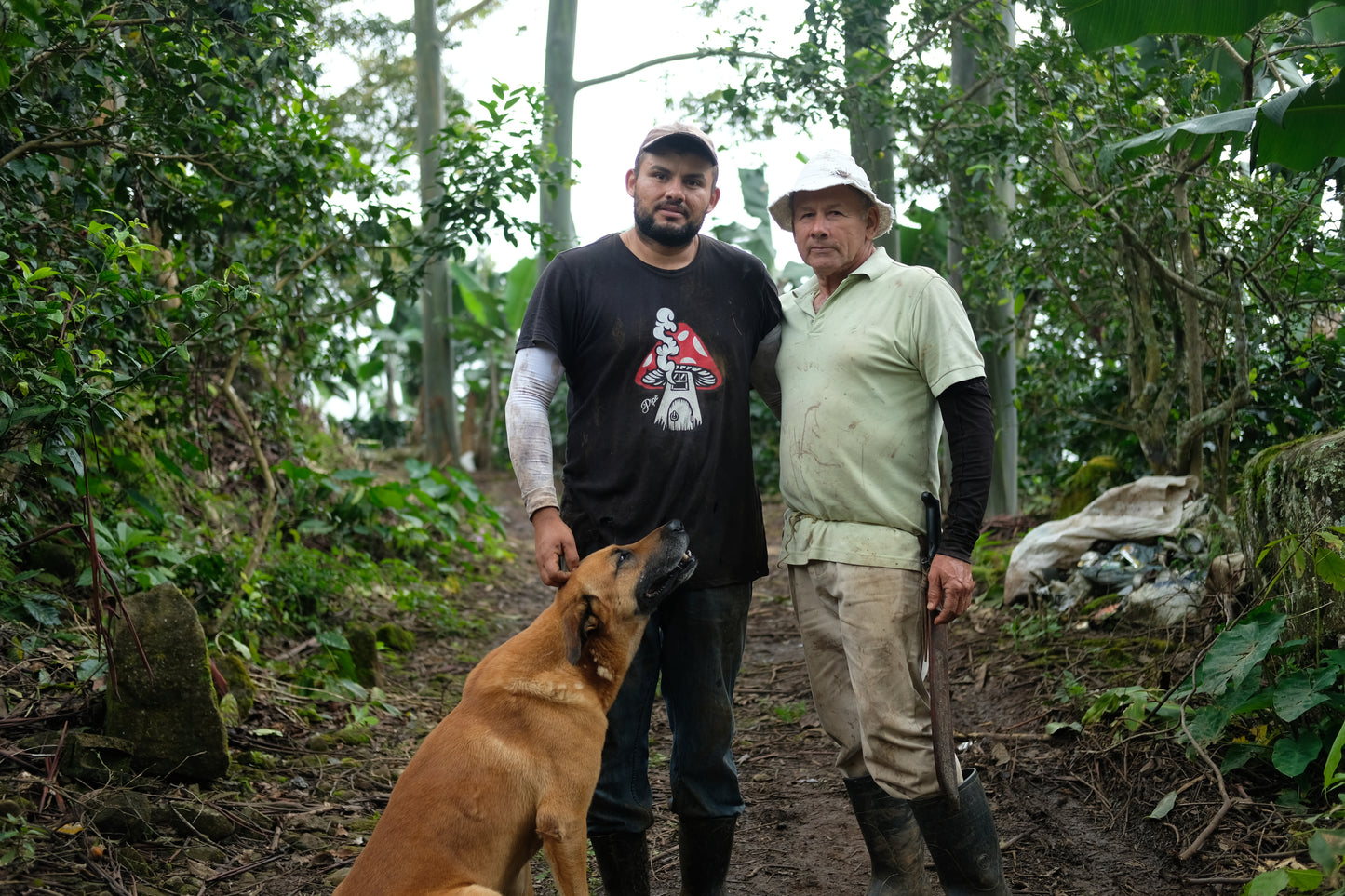
The Don Senel Micromill is operated by Senel Campos Valverde (the eponymous Don in this case) and his son Allan, in Costa Rica's Brunca region. Don Senel and Allan are second and third generation producers respectively, and they process cherry at the mill from their three properties: Finca La Toboba, Las Huacas, and El Cola Roja, located on the slopes of Chirripó mountain at elevations between 1350-1900 meters above sea level. Their operation is an exemplary example of Costa Rica's micromill revolution, which began in the early 2000s as small-scale producers gained direct control over processing to achieve quality differentiation. When Don Senel senior planted trees on the land that would become Finca La Toboba in 1968, Costa Rica was not the powerhouse of variety and fermentation it is today (although with recent years, Colombia has come to somewhat outshine Costa Rica for fermentation experiments, we think you could make a strong case that CR walked so Colombia could run - and that CR is still one of the best origins in the world for trying distinct varieties of coffee thanks to the access farmers have to the CATIE genebank and the active World Coffee Research field trials). The Costa Rican micromill revolution occurred at the turn of the millennium through the 2010s - moving from large centralised Beneficios where producers would deliver wet cherry and parchment for onwards processing, amalgamated into homogeneous bulk lots, many producers took processing into their own hands - producing and selling their own traceable, distinctive lots and accessing the rapidly growing speciality markets and the premiums it was willing to pay. Costa Rica doesn't quite attract the hype it used to - many newcomers to speciality take for granted many of the innovations they pioneered - we always want to feature these fun and exciting lots, and as a result it will always be a significant part of our late year offer.
Much like Ecuador, the cost of production in Costa Rica is generally higher than similar neighbouring Central American countries - which generally makes the bulk coffee production on the relatively more expensive side. What that does tend to encourage and emphasise is value-add processing and points of difference (such as "rare" genetics) - we generally see less traditionally washed or natural coffees from Costa Rica (unless from large haciendas with efficiencies of scale or the old classic Beneficios) - and far more extended/anoxic ferments, or frequently honey processes, typically with plenty of mucilage left on and heavy, ferment driven cups
Like we said, in an exemplary example of this ferment driven and value add style - Don Senel employs scientific & precise processing methods including pH monitoring, Brix measurement, and controlled fermentation environments at the mill, optimising each process for the varieties in question. Across the three farms the family cultivate multiple varieties including Villa Sarchi, Obata, Geisha, and SL-28/ SL-34. They emphasise the use of agroforestry with native shade trees including Guaba, Jocote, and Anona, supporting both biodiversity and soil health while reducing dependence on chemical inputs, and the family has reduced herbicide use by 85% through natural pest management systems.
It is perhaps this precise and methodical approach that has seen the family take two stunning top 10 placements in the latest Costa Rican cup of excellence - both Gesha lots from the same farm as this Milenio, El Cola Roja, in both the natural and experimental process categories. We're stoked to continue to work with them for a second season and believe they deserve all the hype they'll now be getting.
This Milenio lot is processed in the same style as last year's Supre Madre Gesha - a slow dried natural with ripe to almost overripe picking. Milenio is one of our favourite F1 hybrid varieties (a cross between Rume Sudan and Sarchimor that exhibits hybrid vigour & resilience, but requires lab-based cloning due to genetic instability) - we've had some incredibly tropical and sweet Milenios over the years, and this one is no exception, with a hefty dose of dry ferment character to amplify it further.
The Brunca region, comprising the cantons of Coto Brus, Buenos Aires, and Pérez Zeledón, represents approximately 20% of Costa Rica's coffee production. One super interesting thing we're finding is - we're becoming quite enamoured with coffees from Brunca. Not traditionally one of the "classic" regions for quality (ala Tarrazú or the West/Central valleys) - many of the coffees we book year on year from Costa Rica (such as coffees from Jhonny Alverado's Corazón de Jesús, or the Familai Acuña Ureña's Aromas del Chirripó) have ended up coming from Brunca. There's something about this region that really clicks with our sourcing style, it seems - just like Colombian coffees from Palestina or Ethiopian coffees from Guji.
- Choosing a selection results in a full page refresh.
- Opens in a new window.