


Brew Guide:
Best Brewed with: Filter/Turbo Espresso
Lightest Roaster Influence: We aimed to minimise the heavy hand of the processing with and prevent the speciality-cacao notes that can come from a roast that is too hot, too developed with our initial profiling - a slightly softer max application of heat, a very low end temp. With the final batches, we've increased the end temperature just slightly to reduce the hint of grain we had with our first batches, which came with a little more process-led flavour, but in balance.
Best Rested: 4+ weeks
Filter: 64g/L, 92°C when fresh; 90°C when rested
Espresso: 18g/50g/18-22s. Excellent Soup/Turbo
We're tasting: Super tropical aromatics - we get mango and orange on the nose alongside some gentle process notes. In the cup super tropical - honey mango, guava, passionfruit and apricot, with an orange juice acidity. There is a softly herbal florality reminding us of elderflower, and a white fudge note in the finish.
Traceability
Country of Origin: |
Costa Rica |
Region: |
San Jerónimo de San Pedro, Brunca |
Producer: |
Senel Campos Valverde |
Farm: |
El Cola Roja, Don Senel Micromill |
Variety: |
Gesha |
Elevation: |
1950 MASL |
Process: |
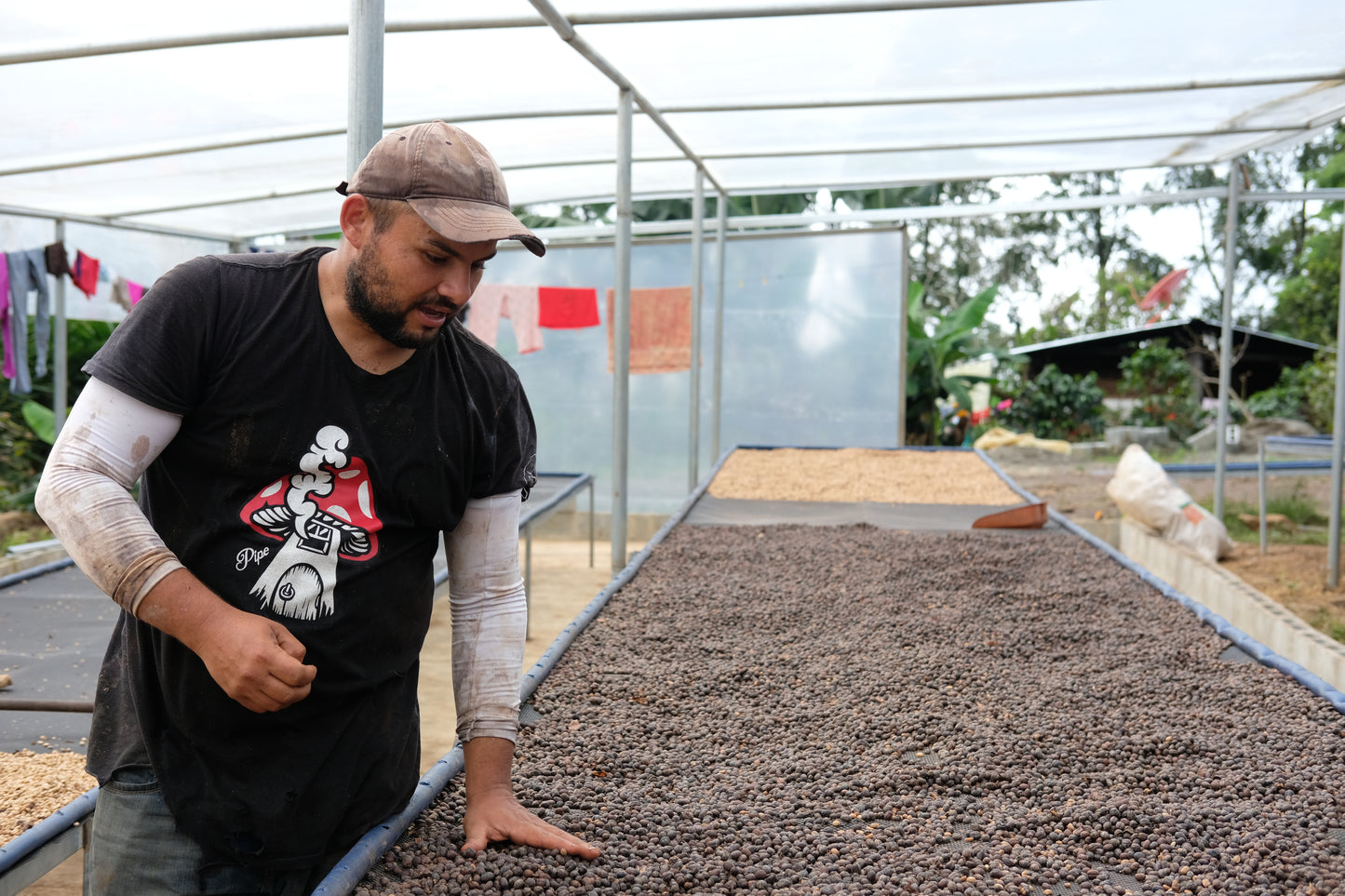
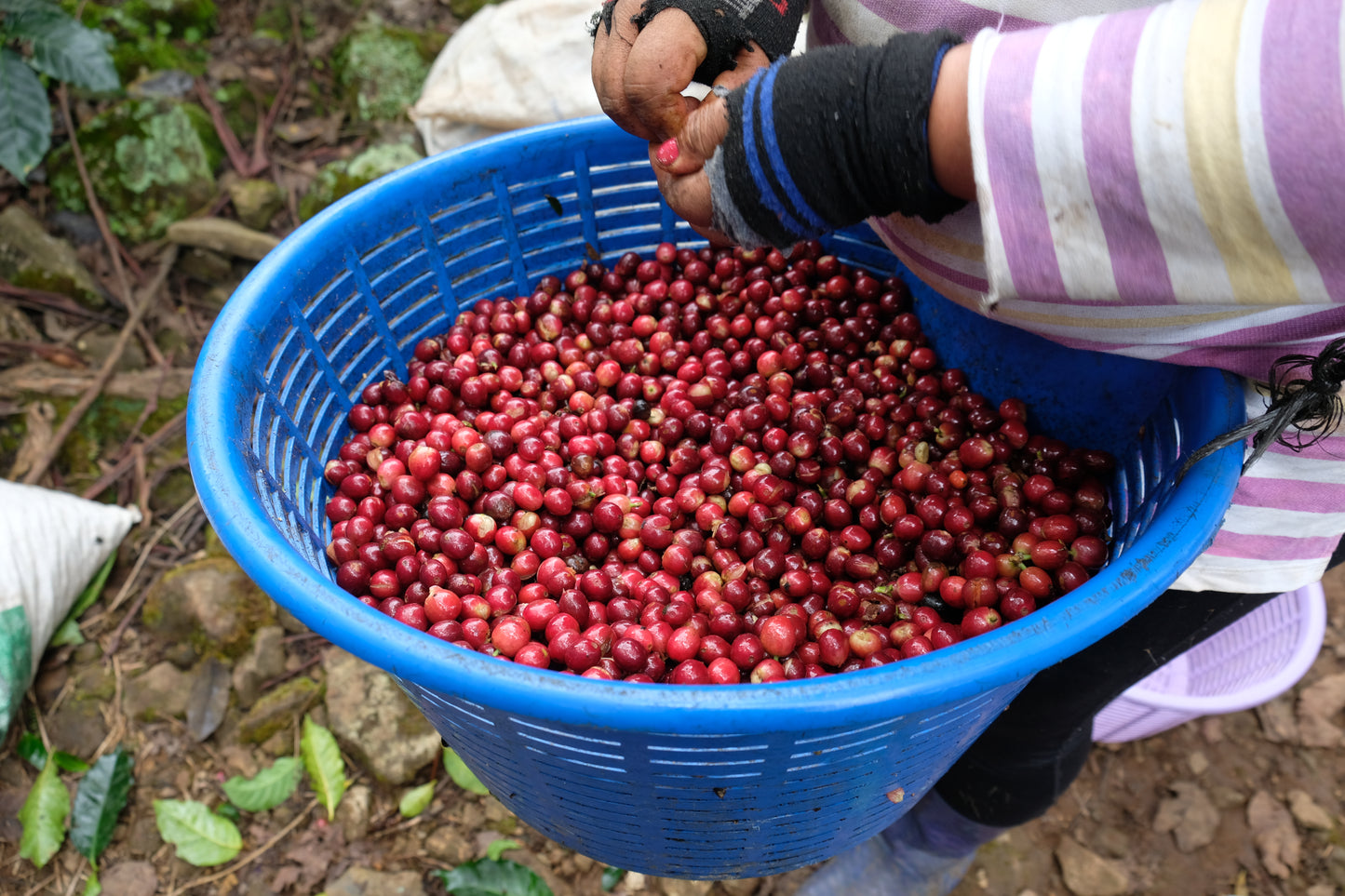
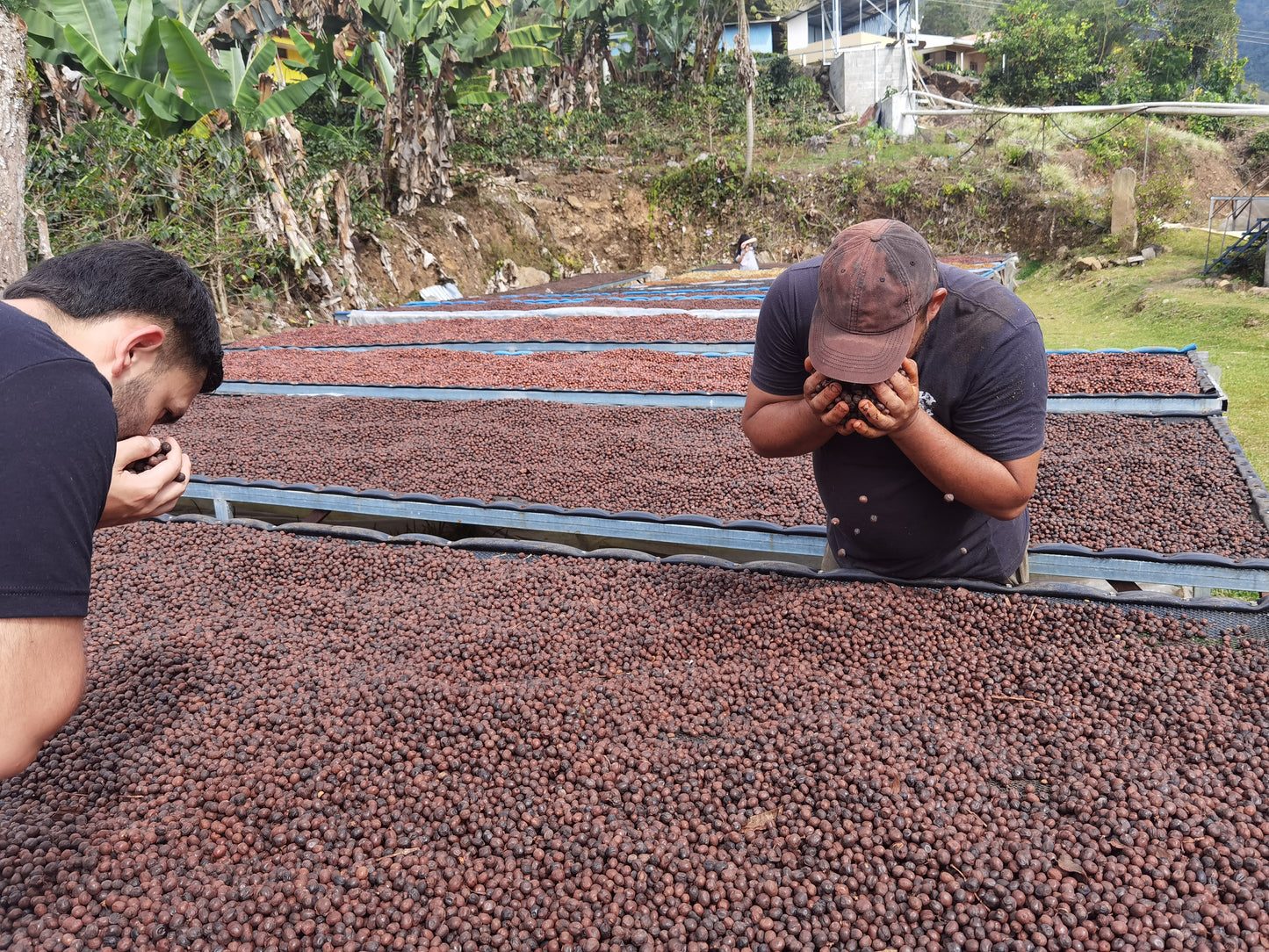
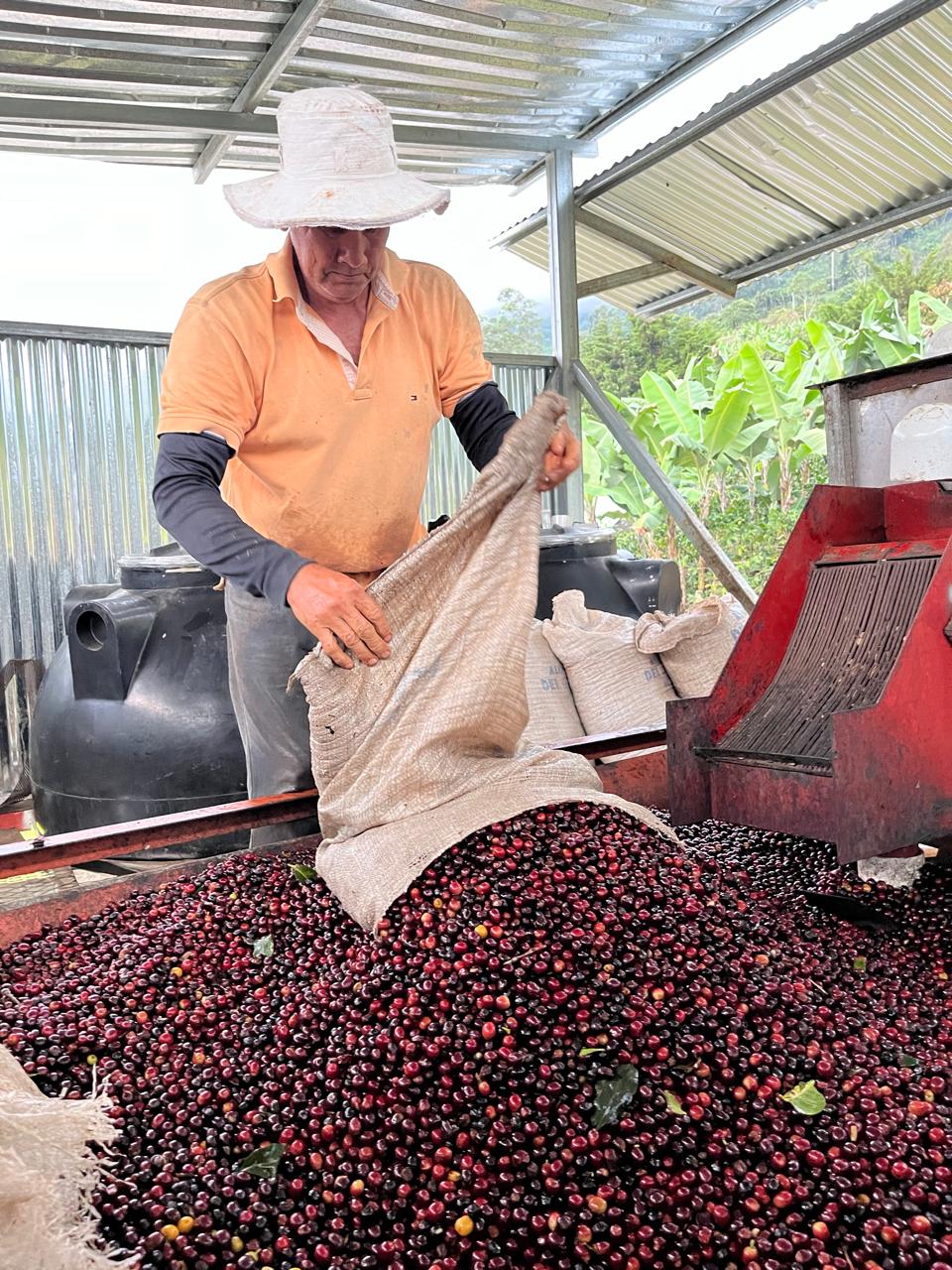
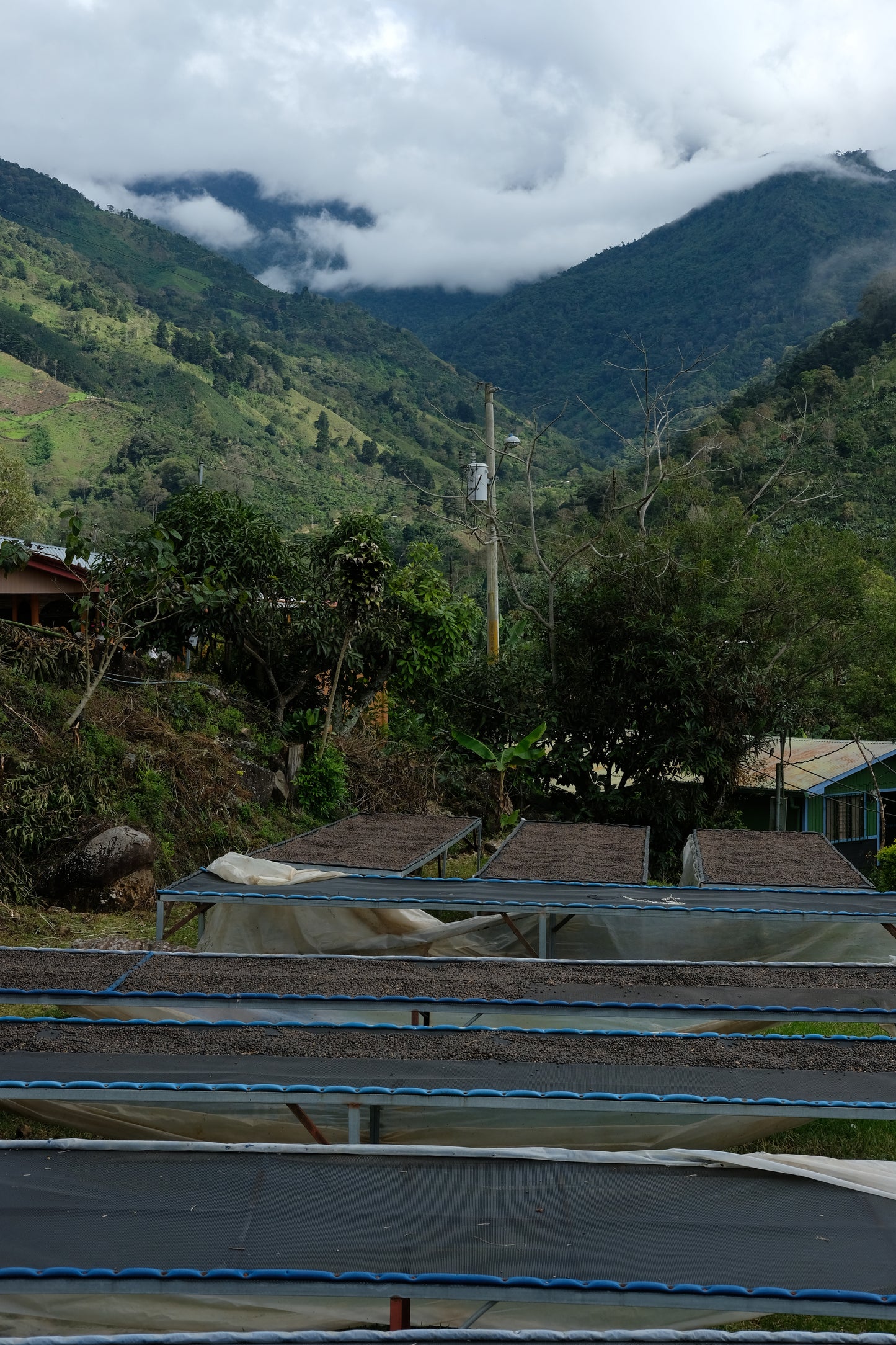
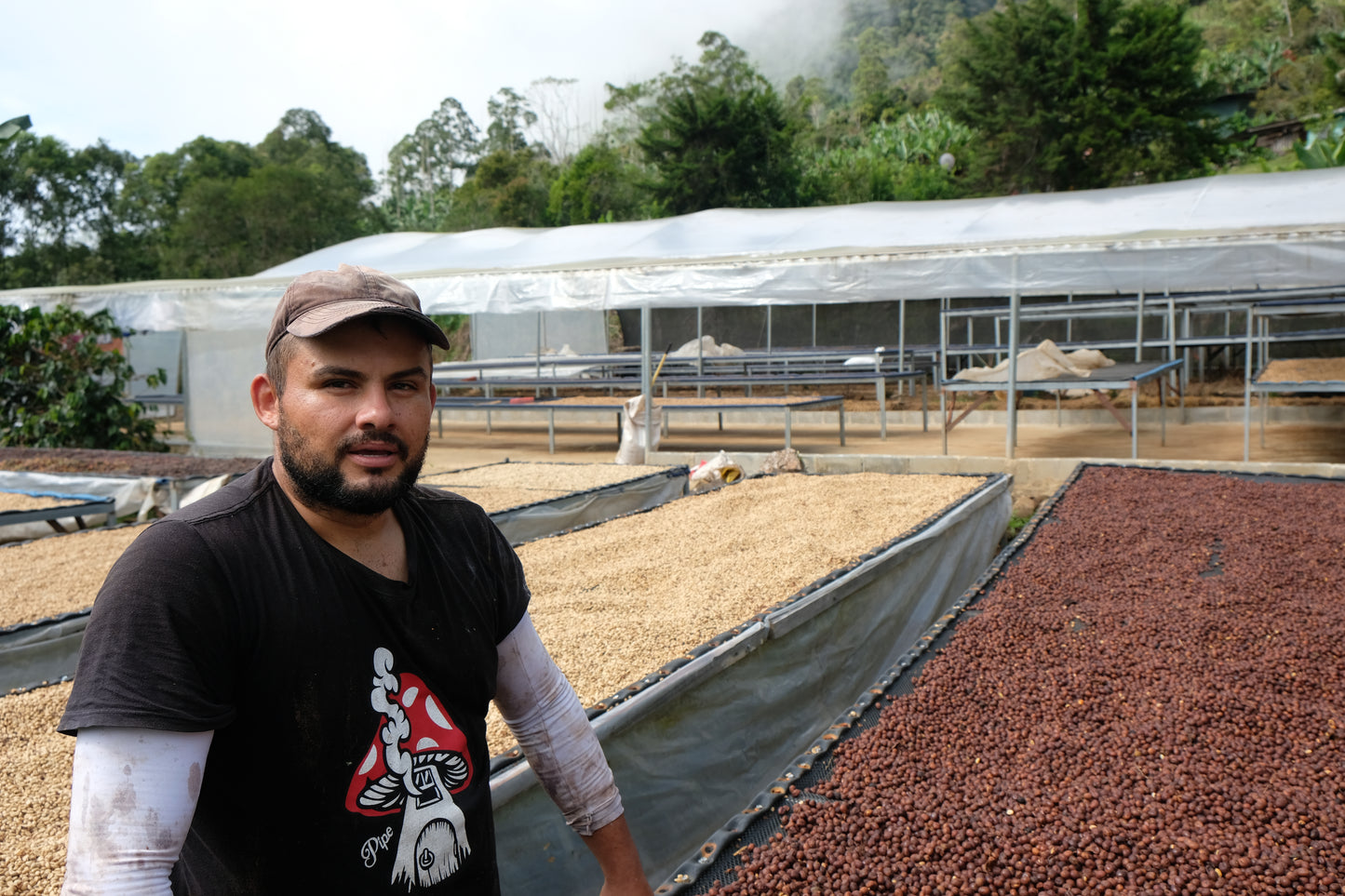
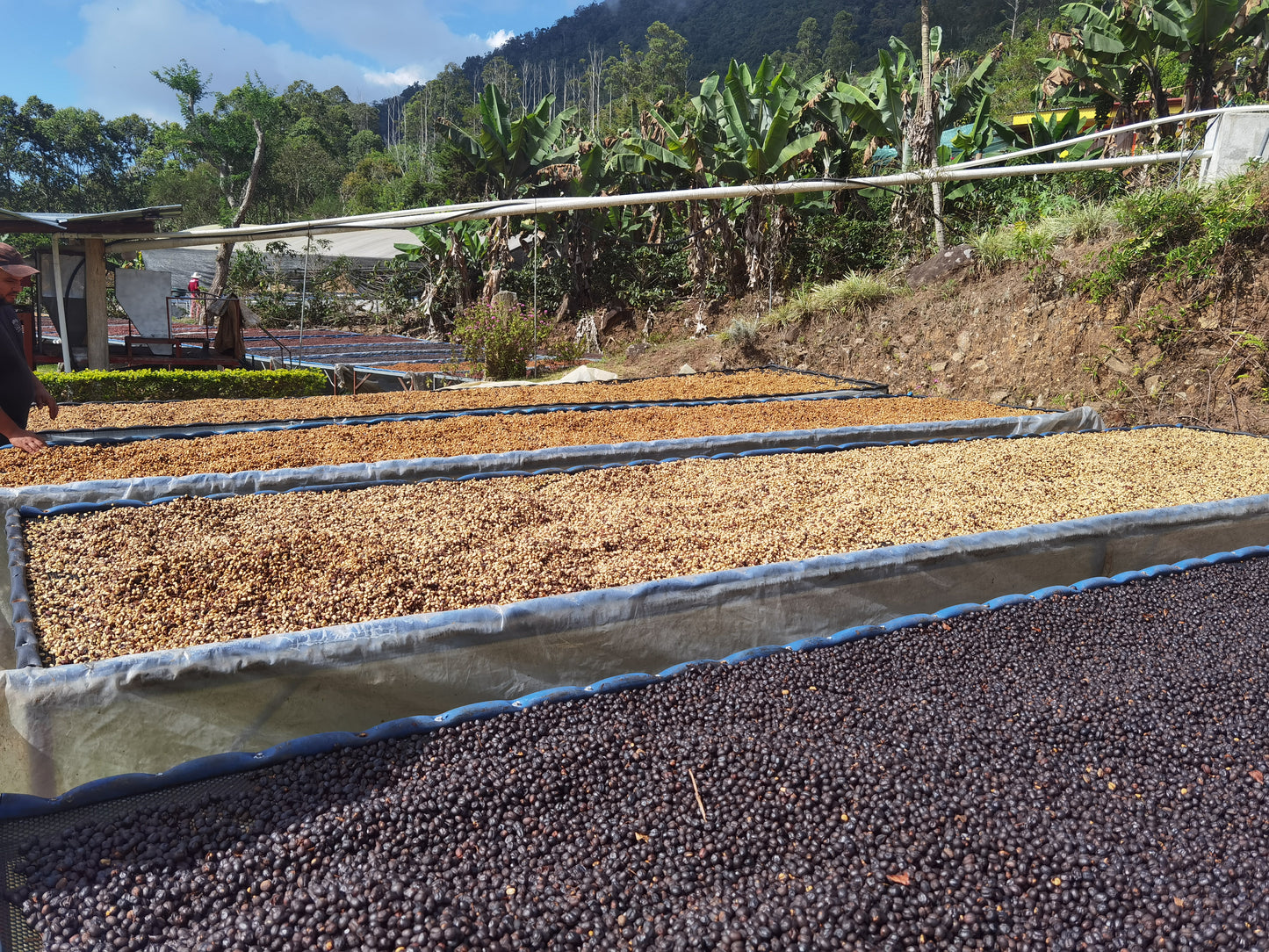
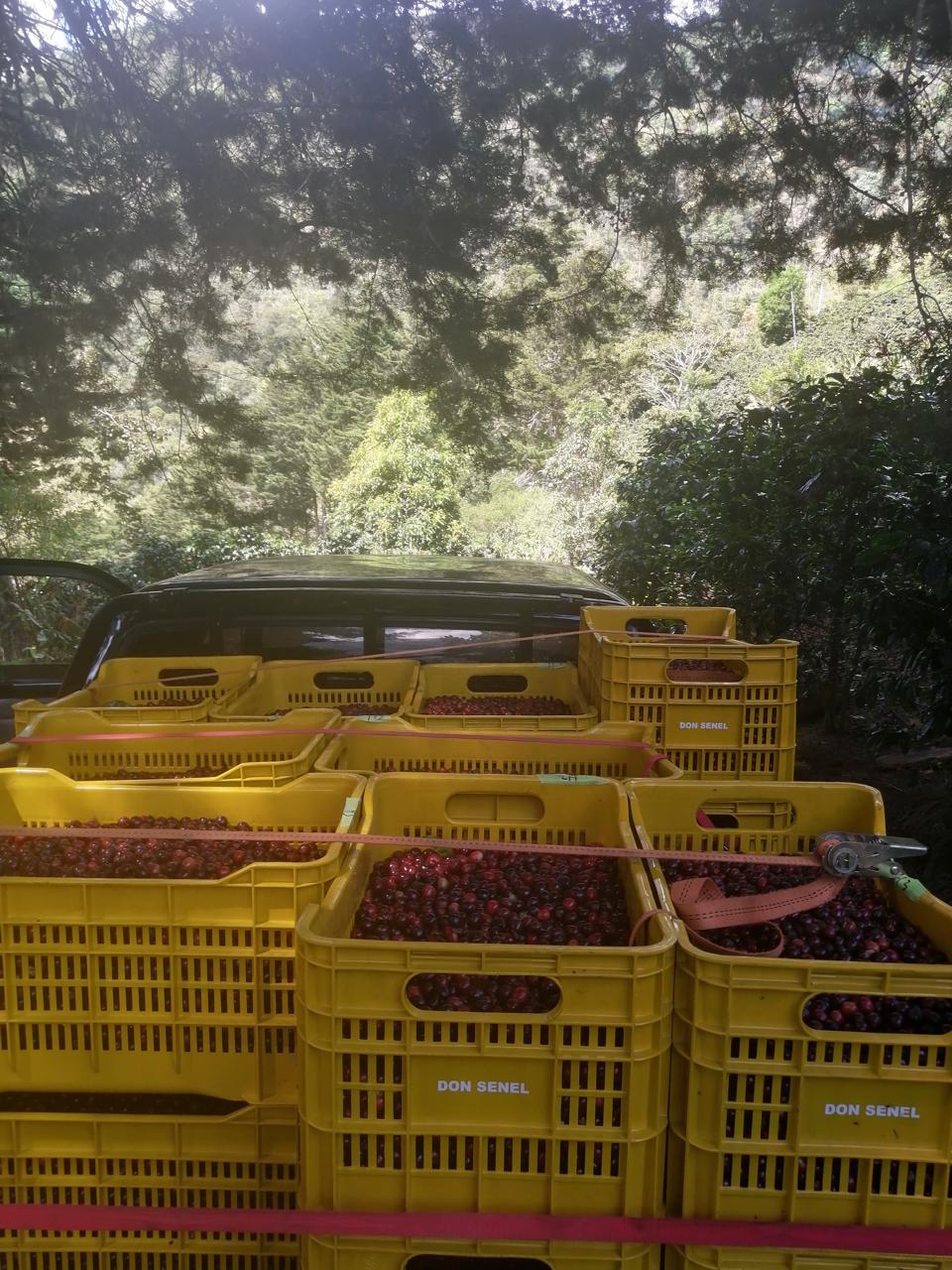
Anoxic "Macerated" Natural: Ripe cherries harvested at the Supre Madre Gesha plot on El Cola Roja and taken to the Don Senel Micromill for processing. Cherries floated to remove underripes and ensure uniform density before a "natural maceration" fermentation carried out in sealed, oxygen-free tanks with no release valve, almost like a natural carbonic maceration promoting intracellular fermentation within the beans and selective microbial activity dominated by yeasts and lactic acid bacteria. Lots then moved to a greenhouse with shade netting for a slow, controlled drying process, before a reposado rest in grain-pro to ensure stability |
Import Partner: |
Ally Coffee |
Harvest: |
Crop 25/26 - Arrived UK August 7th 2026. Second season buying from Don Senel |
The Story
Supre Madre
Gesha "Supre Madre" (Supreme Mother Gesha): We asked the team at Don Senel to explain more about the origins of this variety. It started with noticing that one particular Gesha plant sticking out from the others on the plot - differentiated tree and cherry morphology, better cup performance. So they propagated seeds onwards, and after 3 years the first generation was ready - however, the performance was unstable, with variable characteristics (this likely points to the original Supre Madre plant being an F1 hybrid with something genetically distinct, although the team has not sent samples for DNA testing). The team then spent a total of 14 years onwards propagating the Supre Madre line to stablise it into a developed cultivar, working on three distinct lines - and it is the third and final one which they have decided to keep, of which this lot is comprised
Don Senel & El Cola Roja
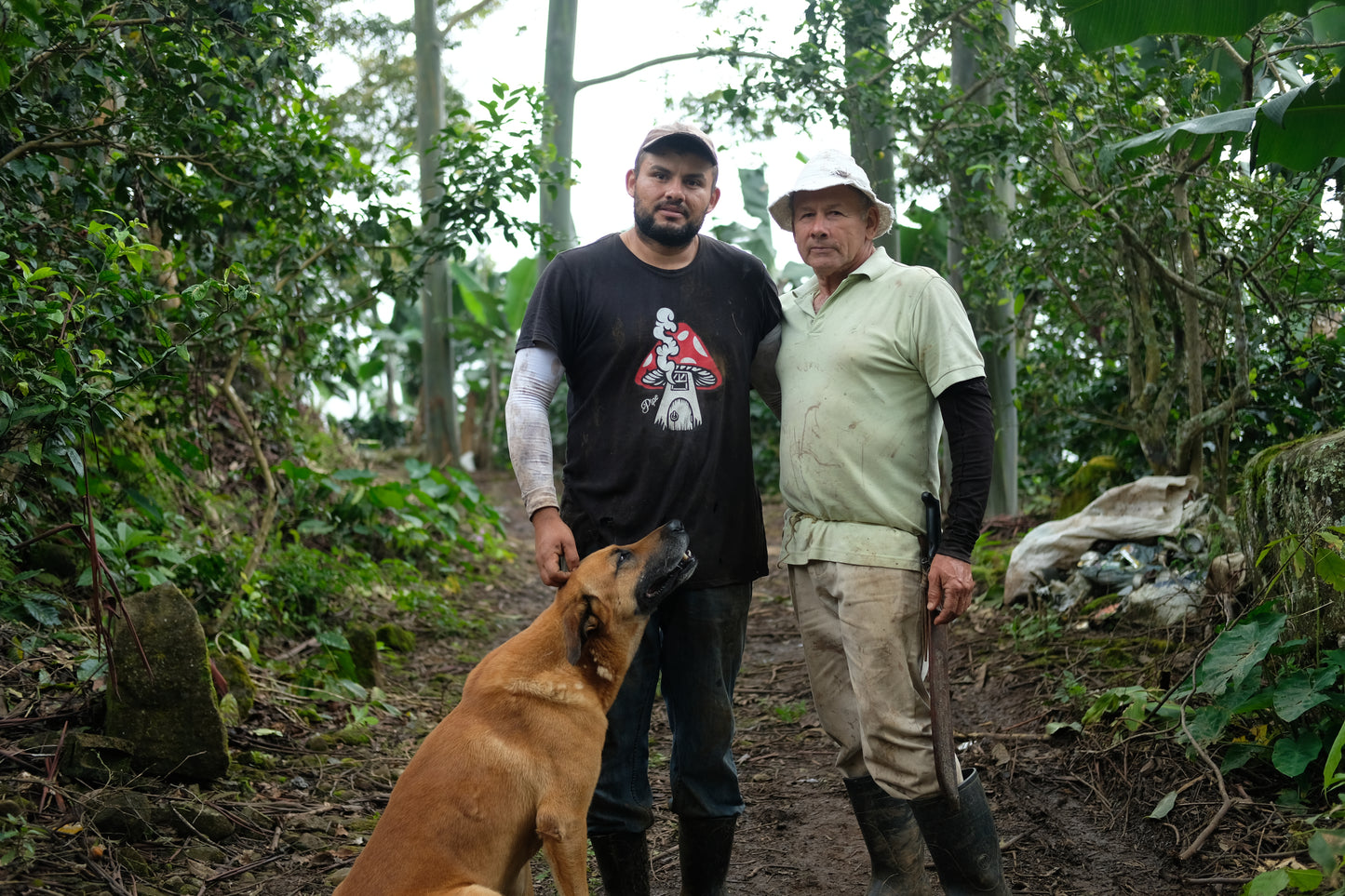
Don Senel Micromill is operated by Senel Campos Valverde and his son Allan, representing three generations of coffee cultivation in Costa Rica's Brunca region. The family operation processes coffee from three properties: Finca La Toboba, Las Huacas, and El Cola Roja (this last plot is where this lot hails from), located on the slopes of Chirripó mountain at elevations between 1350-1900 meters above sea level. The operation exemplifies Costa Rica's micromill revolution, which began in the early 2000s as small-scale producers gained direct control over processing to achieve quality differentiation. Don Senel employs scientific processing methods including pH monitoring, Brix measurement, and controlled fermentation environments. This technical precision allows the family to optimize each lot's potential rather than relying on traditional commodity-level processing.
The farms cultivate multiple varieties including Villa Sarchi, Obata, Geisha, and SL-28/ SL-34. Cultivation practices emphasize agroforestry with native shade trees including Guaba, Jocote, and Anona, supporting both biodiversity and soil health while reducing dependence on chemical inputs. The family has reduced herbicide use by 85% through natural pest management systems.
Finca La Toboba, the original family property, takes its name from the harmless Toboba snakes that inhabit the area. The farm's location between two mountain canyons creates distinct microclimates that allow for varied cultivation approaches across different elevations and exposures. The Brunca region, comprising the cantons of Coto Brus, Buenos Aires, and Pérez Zeledón, represents approximately 20% of Costa Rica's coffee production. One super interesting thing we're finding is - we're becoming quite enamoured with coffees from Brunca.
Not traditionally one of the "classic" regions for quality (ala Tarrazú or the West/Central valleys) - several of the coffees we have booked for this season and have prominently featured last year (such as coffees from Jhonny Alverado's Corazón de Jesús) have ended up coming from Brunca. There's something about this region that really clicks with our sourcing style, it seems - just like Colombian coffees from Palestina
- Choosing a selection results in a full page refresh.
- Opens in a new window.