


Brew Guide:
Best Brewed with: Espresso, Moka Pot, French Press
Filter: 62g/L, 94°C when fresh; 92°C when rested
Espresso: 18g/38-40g/30s
We're tasting: Sweet and thick bodied, dominated by milk chocolate and high quality peanut butter as the fore notes - like bougie peanut butter cups. Providing gentle fruit notes we get a hint of plum jam alongside dried apple and raisin, with a butterscotch finish.
In milk: Fruit & nut bar
Traceability (Blend Version: 16)
Country of Origin: |
Brazil | Guatemala |
Blend Percentage: |
50% | 50% |
Region: |
Araponga, Matas De Minas, Minas Gerais | Aldea Las Brisas, Mataquesquintla, New Oriente |
Producer Group/Washing Station: |
Familia Teixeira, Fazenda Recreio | Marvin Carias, Finca Las Brisas |
Varieties: |
Catuaí, Catucaí | Pache, Catuaí |
Elevation: |
900 - 1400 MASL | 1600 - 1700 MASL |
Process: |
Natural | Traditional Washed |
Import Partner: |
Osito | Primavera |
Harvest: |
Crop 25/26 - New Purchasing Relationship | Crop 25/26 - New Purchasing Relationship |
The Story
Facility Blend was born out of our intention to create the espresso blend that we always wanted. A daily driver, consistently good, easy to use, suitable as much for a busy espresso-bar as it is for the humble french press at home.
As much as we drive the concept of functionality and reliability through the Facility Blend, it also weaves in our key principle of facilitating connections. Coffee can play such a wonderful structural and connective part of our lives - the pick me up in the morning, the back-drop to a meeting or catch-up with friends, the interaction with your favourite barista (or the barista with their favourite regular). And for us, it allows us to connect with the farmers, exporters and importers who make it all possible. Through the Facility Blend we hope to weave all these concepts together into a delicious, easy drinking, dependable (but never boring!) house coffee, our flagship.
Often, the coffees selected for a blend represent the largest volume lots in terms of a farmer’s production, and the largest purchases in terms of a roastery’s coffee position. What we select for our blend components is perhaps one of the most meaningful choices a roastery can make, though it’s not often given as much fanfare as perhaps the latest and greatest microlot or experimental process release.
Version 16:
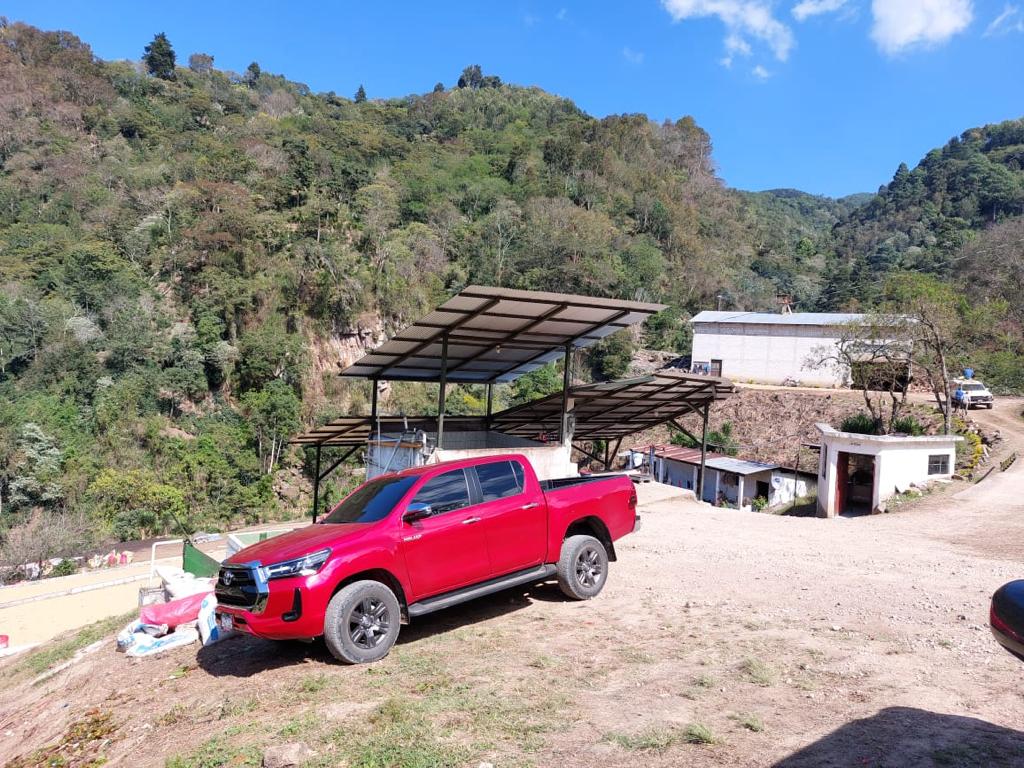
A very wholesome version of Facility - we've got a lovely classic Jalapa profile from Marvin Carias' Finca Las Brisas. Working with shade management and integrated water treatment, as well as organic inputs - this is a fairly forward thinking and ecologically minded larger estate (350 HA). Super sweet with positive nutty notes - think bougie peanut butter, with some mild red fruits providing lift.
Matching the vibes 1:1, we've got a nicely elevated Brazil lot from Fazenda Pedra Redonda. Rising to a relatively whopping (by Brazillian standards) 1400 MASL, this lot is made up of Catuaí (sweet nutty & classic Brazil) but also Catucaí - a hybrid of Catuaí and Icatu that is known for having more interesting fruit notes. Surprisingly bright for a Brazil, by their powers combined they're producing a super sweet, comfort flavour iteration of Facility. Our first time for a long time without an East African coffee in the blend, there's enough interesting lift in both lots to keep it anything but boring.
Each lot is roasted separately with a unique profile to combine in the blend as a delicious, balanced & functional espresso, the house espresso we always wanted.
- Choosing a selection results in a full page refresh.
- Opens in a new window.