


Brew Guide:
Best Brewed with: Filter/Turbo Espresso
Just a classic super high altitude, super dense, super small screen size Ethiopian natty - can absolutely take the heat, so we go for a very short energetic roast with the end damped down a smidge to preserve florals and acids.
Best Rested: 4+ weeks
Filter: 62g/L, 96°C when fresh; 92°C when rested
Espresso: 18g/50g/18-22s
We're tasting: Wildly floral aromatics - we're finding sweet pea flower, honeysuckle, and jasmine. In the cup it's big blueberry, wild strawberry and lavender on the hot cup, with blood orange acidity + sweetness alongside fresh citrus zest and parma violet. As it cools becoming more defined - more strawberry/raspberry, the citrus + florals evolving to bergamot alongside rose, a little hint of coriander seed. Super complex
Traceability
Country of Origin: |
Ethiopia |
Region: |
Gora kebele, Haro Wolabu, Guji zone |
Producer: |
20 smallholder producers, Mayole Coffee (Ture Waji) |
Farm: |
Gora Borawa drying station |
Variety: |
JARC 74110 & 74112 |
Elevation: |
2200 - 2500 MASL |
Process: |
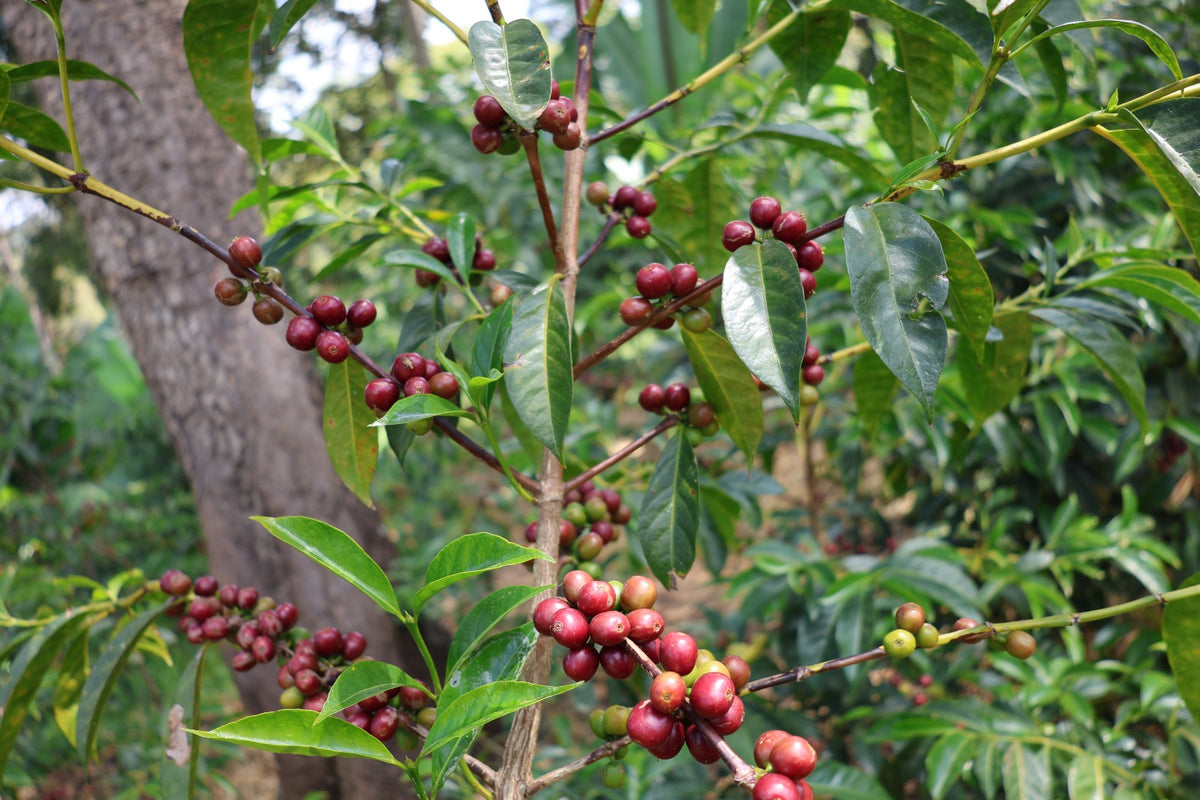
Traditional Natural: Ripe cherries hand picked, delivered to the Gora Borawa drying station, intensively sorted and then laid out in very thin layers to dry on raised beds under shade, with frequent turning and continual sorting. Dried over 3 weeks. |
Import Partner: |
Osito |
Harvest: |
Crop 25/26, Harvest: November to February, Arrived UK: 22/07/26. This is among the first exports ever from the Adamo group, but our fourth year working with Ture Waji |
The Story
We've been working with Ture Waji's "Sookoo Coffee" for pretty much the duration we've run as a company. Coffee from the Bookkisa kebele first featured all the way back in Facility V3, and we've been buying ever since. Nicknamed "The King of Guji", Ture has always focused on Guji only, having grown up in the region and coming from a coffee producing background, having also worked with Mormora and Guji highlands coffee before founding Sookoo. With a horticultural degree and focusing on "Good Agricultural Practices" as well as community support, Ture is amongst those who really championed Guji as a distinct and separate profile for Ethiopia, and the coffees he produces from this region are truly excellent. He's also just a super friendly and nice guy to work with, and it's always a pleasure to hang out/chat.
With strict quality standards, excellent processing, and stations that buy from small catchment zones, you can set your watch the quality levels from hisstations, and it's for these reasons we've bought 4 seasons in a row now, and had the pleasure of catching up in Addis when we last visited.
When Ture slipped us these samples at the end of our trip, there was almost a cheeky twinkle to his eye - he's too modest, but if we realised what an absolute set of bangers we were about to roast and cup we'd have had the same were the situation flipped. These coffees have been processed and exported under Ture's new brand - "Mayole Coffee" - which Ture informs us is focusing only on the highest altitude production of Uraga and Haro Wolabu. We've mentioned it in previous releases but this is the direct result of climate change - highlands that a decade or two ago would have been too cold for coffee production are now opening up, and we're seeing plantings up to 2500+ MASL. Typically all JARC cultivars (specific selections from the Metu Bishari forest that are known for productivity. quality and disease resistance) these high altitudes are still on the colder side for coffee - with delayed ripening and very very small cherries leading to dense, tiny screen size beans.
Following the steady march upwards of production requires building new stations and cherry collection points, and this station - Gora Borawa - is one of Ture's latest. Purchasing cherry from 20 outgrowers in the Adamo community, this is the first year of production for this station. Ture has applied the protocols and hard won expertise from his years in production and it's come right out of the gate swinging for the fences. One of Ture's particular focuses is on "clean naturals" - ensuring minimal extra fermentation during drying by using very thin layers on the drying beds, continual movement of the cherries, and drying under shade to ensure the coffee comes out stable without experiencing damagingly high temperatures.
When we cupped the Mayole set - production from this new station, some of the new sites, as well as some type samples of experimental pathfinder lots that Ture intends to scale next year, we were blown away. We got Osito, our import partner to also cup these samples and they agreed with our assessment. In Ethiopia, if you want to export a container of coffee that is consolidated - ie, contains more than one exporter in one box - it is a bureaucratic nightmare, and despite the fact that Sookoo and Mayole are both owned by Ture, the paperwork involved is immense.
Let us demonstrate how good this coffee was - Osito delayed their entire container, to do the paperwork, to get this coffee put on. The green buyers and roasters amongst this audience will have just gasped at that, so to provide context - the later you ship from Ethiopia, the more likely you are to run into port delays as the harvest volume ramps up, as container availability reduces, as the risks of coffees being stuck in hot ports rises and rises. It is always a mad scrabble to get coffee out as fast as humanly possible, so for something to justify an intentional delay it would have to be very, very good.
We were informed by Ture that we were the first roaster in Europe to contract coffee from this station, although as the volume required to justify the aforementioned paperwork was more than we could take for a single origin lot, we've been scooped to being the first to release it. But we're stoked to finally get the chance to feature this on the offer - we've been patiently waiting since February for this moment, and actually with some very high altitude Ethiopians they don't tend to really open up until late in the year even through till the next harvest is already well underway. While Ture is a specialist in "clean naturals" - the "experimental" processes he shared samples of were of a similar ilk. Clearly higher intervention and more involved processes, yet all distinctly clean for it, and we're very excited to see those trials come to fruition next year.
NB: You will often see releases from Sookoo/Mayole with the given variety names "Gibirinna (74110) and Serto (74112)" - we've standardised ours to just the JARC cultivar number to ensure consistency, but we did ask Ture what was the history of the names. Apparently, this is what the farmers in this region of Guji will call these varieties - Gibirinna means "agriculture", as the 74110 variety is often distributed from the agricultural office, and Serto means "demonstration site", as the 74112 variety is often distributed from either government adaptation workshops/model farms. Super interesting!
- Choosing a selection results in a full page refresh.
- Opens in a new window.