




Brew Guide:
Best Brewed with: Filter/Turbo Espresso
Best Rested: 4+ weeks
Filter: 64g/L, 92°C when fresh; 90°C when rested
Espresso: 18g/50g/18-22s
We're tasting: Fun and bubbly process-led aromatics that remind us of mimosas, blueberry muffin and lavender. In the cup it's more delicate than the aroma leads us to believe - we find nashi pear, snowball melon, tiger lemon, dried papaya and sweet brioche notes. There's some purple florality that reminds us of parma violets, and a slight fennel-esq anise note in the finish. Complex!
Traceability
Country of Origin: |
Ethiopia |
Region: |
Suke Quto, Shakiso, Guji |
Producer: |
Ture Waji & smallholders in Shoondhisa |
Farm: |
Suke Station |
Variety: |
JARC 74110 & 74112 |
Elevation: |
2000 - 2200 MASL |
Process: |
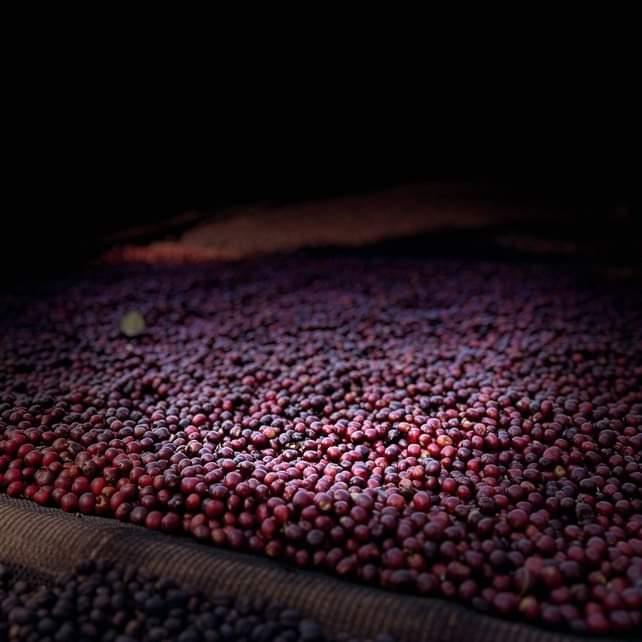
Anoxic Natural: Ripe cherries hand picked and sorted. Placed inside sealed grain-pro bags and dry fermented in an anoxic environment for 96 hours. Following this, dried as a natural on raised beds over 25 days. |
Import Partner: |
Osito via Sookoo Coffee |
Harvest: |
Crop 25/26 - Arrived UK: 22/07/26. Fourth season buying from Ture |
The Story
Our fourth season featuring coffee from Ture Waji's Sookoo coffee, we're capping off our final Sookoo release with the flagship lot - the one that really kicked it all off for us and led us to a cupping lab in Addis earlier in the year - Ture's "Shoondhisa Anaerobic". This might be a good point to re-iterate why we call this style of fermentation a different word - and it's utterly pedantic semantics. Metabolically, all fermentation is anaerobic - but, crucially, not all fermentation environments are anoxic. We use the term anoxic to identify any coffee processing that was conducted in a closed, sealed environment where CO₂ has displaced the oxygen present, as this tips the microbial community in the fermentation towards those that are facultative and obligate anaerobes, and removes obligate aerobes from the picture. This shift in microbial population (as well as shift in the respiratory pathways of yeast that can survive low/no oxygen environments) demonstrably changes the flavour profile of the resultant coffee. We've made a point of trying to standardise the way we talk and present coffee to keep things as consistent and as accurate as we can.
Ture has always focused on Guji only, having grown up in the region and coming from a coffee producing background, having also worked with Mormora and Guji highlands coffee before founding Sookoo. With a horticultural degree and focusing on "Good Agricultural Practices" as well as community support, Ture is amongst those who really championed Guji as a distinct and separate profile for Ethiopia, and the coffees he produces from this region are truly excellent. He's also just a super friendly and nice guy to work with, and it's always a pleasure to hang out/chat.
With strict quality standards, excellent processing, and stations that buy from small catchment zones, you can practically set your watch to the quality levels from his stations. Having really drilled down into drying naturals in a way that presents very clean cups, when the coffee goes through a heavier pre-ferment the result is superlative - the intensity is dialled right up, and we find lots of complexity beyond the standard Guji profile - both unique flavours as well as those associated with longer ferments - but also clean, and lacking off-notes. Some washed coffee only purists might struggle still, but more fool them - we think this style of coffee is delicious, and we'll enjoy every drop all the same as a brilliant send off to the Sookoo coffees of the 25/26 season.
- Choosing a selection results in a full page refresh.
- Opens in a new window.