


Brew Guide:
Best Brewed with: Filter/Turbo Espresso
Lightest Roaster Influence: We find classic Rwandan coffees tend to prefer a slightly longer development (end of roast period) and hotter end temps compared to some - whilst they can be very floral, a lot of their qualities lie in the cup profile of heavier cooked stonefruit/brown sugar/baking spice, and roasting them too light can be more towards coffee-chaff flavours. We therefore want to strike a balance between showing them in their best light without adding any more roaster-based flavours than are required.
Best Rested: 4+ weeks
Filter: 62g/L, 96°C when fresh; 93°C when rested
Espresso: 18g/45g/24-28s
We're tasting: Black tea, apple, lemon and tomato aromatics, in the cup it's classic Rwanda through and through - roast plums, cherry & apple, with a strong tangerine note. As it cools the apple becomes a little fresher and prominent, reminding us of Cox's orange pippins alongside a floral, citrusy black tea - like Lady grey.
Traceability
Country of Origin: |
Rwanda |
Region: |
Gisagara District, Southern Province |
Producer: |
1400 smallholder producers, Muraho Trading Company |
Farm: |
Dahwe CWS |
Variety: |
Red Bourbon |
Elevation: |
1630 MASL |
Process: |
Traditional Washed: Cherry is hand sorted before a pre-pulp float, with underripe or damaged cherry and any foreign objects removed before pulping, with density sorting. The parchment is fermented in dedicated concrete fermentation tanks for an average of 12 hours, with the fermenting parchment agitated several times a day by way of ceremonial foot-stomping. After fermentation the coffee is released into a serpentine grading channel, which separates the parchment into density grades while continuously agitating it to encourage lower-density parchment to float and to clean off residual mucilage. Once graded, the parchment receives a final post-wash rinse and is taken to a pre-drying area for a further hand sort, removing any insect-damaged, discoloured or chipped coffee. The parchment is then laid out to dry, turned regularly throughout the day, for 30 days. |
Import Partner: |
Raw Material |
Harvest: |
Crop 26/27. Arrived UK: August 26. Second season buying from Dahwe |
The Story
We've been working with Karthick and Gaudam Anbalagam's Muraho trading company for over a decade now. 6 years before starting Scenery, and every season since we launched. In this time, we've seen them go from strength to strength - expanding, building & acquiring new stations, embracing new processing techniques and new community programmes aligned with Raw Material's vision of maximising producer income. Dahwe is one of their latest stations, having been purchased in 2025, and represents their first foray into Rwanda's southern province.
We featured coffees from Dahwe from the last crop as part of Colourful V15, having contracted two lots from the first season of MTCo production, and we were thoroughly impressed with them. This season we've brought back the fully washed production, and due to the early harvest & sharp logistics we've received it in record time.
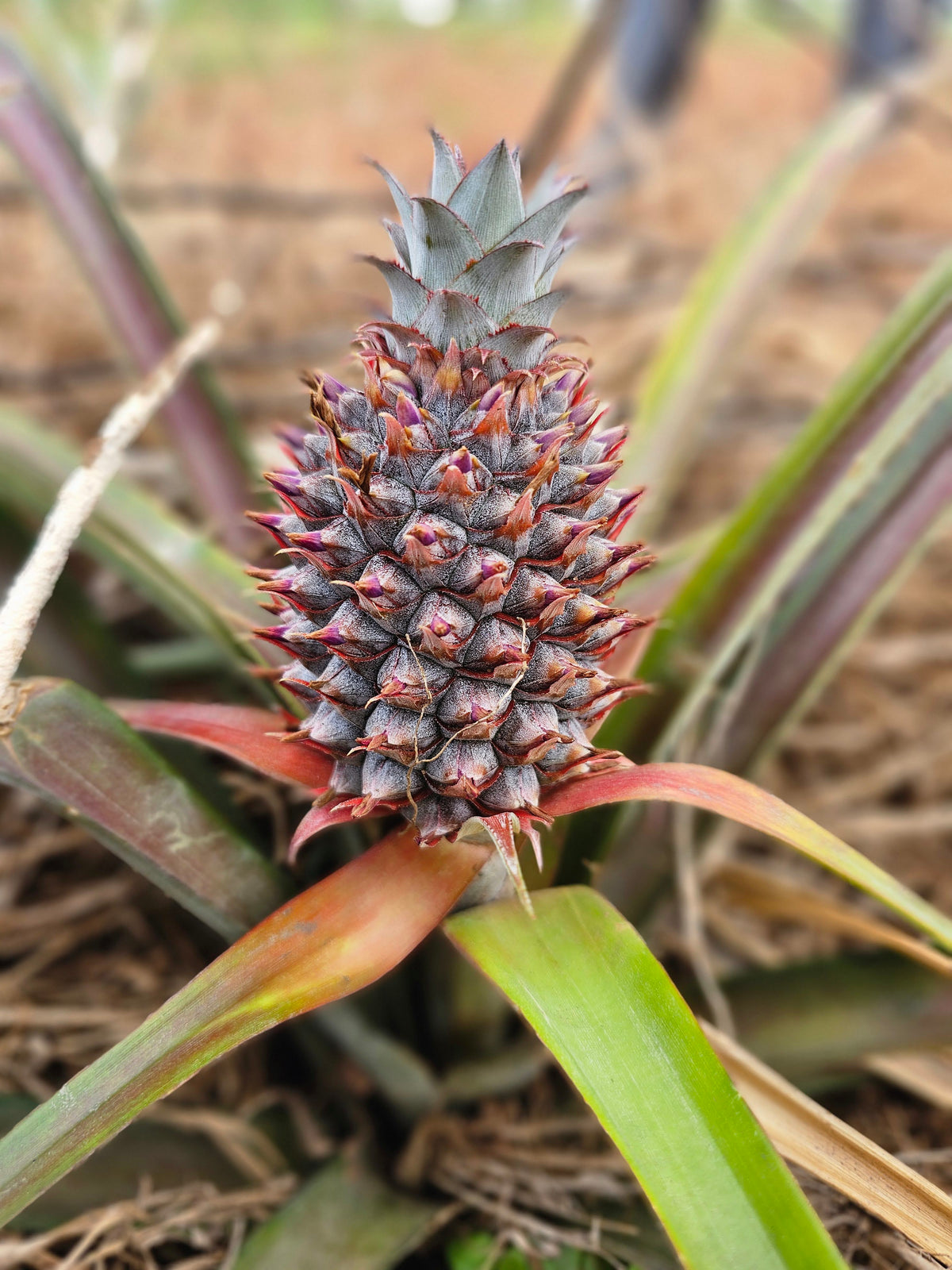
There is no point beating around the bush when it comes to discussing the realities of coffee production in Rwanda - for many smallholders, coffee is their principle cash crop and major source of yearly income, and other crops grown are subsistence farming. This is one of the clear areas where we can say the increased premiums for speciality coffee truly have an impact - both in the increased income at the producer and family level, but also for the employment provided at the washing stations. What Muraho have done at Dahwe is a step beyond anything else we've seen in Rwanda - while it is somewhat common to find seedling nurseries distributing young plants (as often older trees have considerably lower production, and stumping or pruning could see household incomes fall precariously low) - Dahwe is a model farm set up to demonstrate integrated and regenerative agricultural practices, and beyond coffee seedling distribution (74,000 in 2025 alone), the farm distributes pineapple and avocado tree seedlings to increase both food diversity as well as provide additional cash crops for income diversification. In this, Dahwe becomes (in Raw Material's words) "a hub where sustainable farming practices, food security, and coffee quality all come together". It's a very laudable goal and one we're stoked to represent the work of
Varieties in Rwanda are an interesting topic as well - typically sold under a blanket descriptor of "Red Bourbon", this often hides a more interesting mix - old typica/Mibirizi, Jackson and the newer/improved cultivar RAB C15 are often mixed amongst the plots, and what is referred to as "Red Bourbon" is usually the variety "Bourbon Mayaguez 139" also often known locally as BM139. The geneplasm of this line first travelled through a USDA collection in Mayaguez, Puerto Rico, before making its way to a collection in the D.R Congo in the 1930s - before it reached Rwanda in the 1950s and finding wide adaptation as a quality variety.
With the turn of the millennium, there was a governmental push to improve both the quality and reputation of Rwandan coffee - and for a period, fully washed "Red Bourbon" (which would mostly be BM139) was legally mandated to be produced, and only in very recent years have we seen a shift to allow honeys/naturals/anoxics join the fray as approved production techniques, and even more recently still to see new cultivars outside the Bourbon accession. We thought we were being clever asking if there was any Mibirizi or new plantings of RAB C15 in the mix in the area surrounding Dahwe, and while Karthick said he couldn't rule it out - in this area atleast, he's fairly confident it is 99% BM139. When we look at why bourbon has such a distinct profile in Rwanda and Burundi, beyond the climate and soil this is one potential reason why - the genetic distinctiveness of this line, and it's a story that gets completely missed out when we assume "Red Bourbon" to be one monolithic block globally.
- Choosing a selection results in a full page refresh.
- Opens in a new window.